
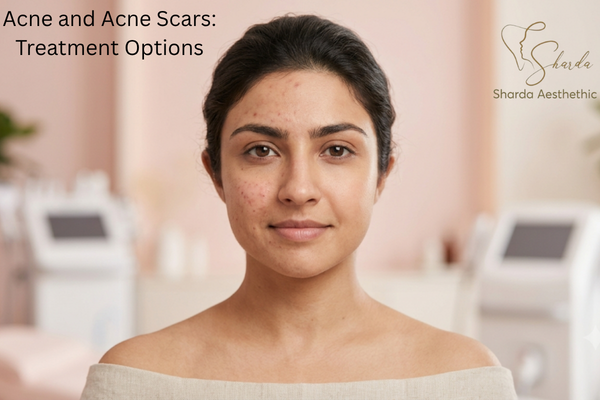
Acne is not only a teenage problem. Many adults in their twenties, thirties, and even forties deal with breakouts, and the marks left behind can feel more upsetting than the pimples themselves. Heat, pollution, stress, hormonal changes, and irregular routines all contribute, especially in a busy city like Jaipur. The encouraging news is that acne and acne scars are treatable when they are diagnosed correctly and managed with patience. This guide explains why acne happens, which treatments work, and which daily habits protect your skin.
Why Does Acne Happen?
Acne begins inside the pore. Excess oil, dead skin cells, and bacteria combine to block the pore opening, which can lead to blackheads, whiteheads, red bumps, and painful cysts. Hormonal shifts around puberty, menstrual cycles, pregnancy, or conditions like PCOS can increase oil production. Stress, poor sleep, certain medications, heavy cosmetics, and genetics also play a part. Some people notice that particular foods trigger flare-ups, though this varies widely. Because causes differ, the cream that worked for a friend may not work for you, which is why a proper skin assessment matters.
Myths That Delay Proper Treatment
Several myths keep people from getting the right help. Acne is not caused by dirty skin, so scrubbing harder only irritates the skin barrier and often makes breakouts worse. Home remedies such as toothpaste, lemon juice, or raw baking soda can burn the skin and leave dark marks. Squeezing pimples pushes inflammation deeper and raises the risk of permanent scarring. And acne does not always disappear on its own: moderate to severe cases usually need medical guidance to prevent long-term damage.
Treating Active Acne
Treatment depends on severity, skin type, and the pattern of your breakouts. A dermatologist may prescribe topical medicines that unclog pores and control bacteria, and in some cases oral medication for stubborn or hormonal acne. In-clinic procedures can support this plan. Chemical peels help loosen congestion and calm oiliness. Medical facials such as HydraFacial gently clear blocked pores and hydrate the skin so that active ingredients work better. Light and laser-based treatments may be added for selected cases. The first goal is to control new breakouts, because treating scars while acne is still active rarely gives lasting results.
Pimple Marks vs True Scars
Not every mark is a true scar. Post-inflammatory pigmentation appears as flat brown or red patches that often fade gradually with sun protection and suitable treatment. True scars involve changes in skin texture. Ice-pick scars are narrow and deep, boxcar scars are broad with sharp edges, and rolling scars create a wavy surface. Each type responds differently, so identifying yours is the first step towards a realistic plan.
Treatment Options for Acne Scars
Several approaches are used to improve scar texture:
- Microneedling: Tiny, controlled punctures stimulate collagen production and gradually smooth shallow scars.
- PRP with microneedling: Platelet-rich plasma from your own blood may be applied to support healing and skin renewal.
- Chemical peels: These help with pigmentation, rough texture, and superficial marks.
- Laser resurfacing: Fractional lasers work on deeper layers and can improve texture and tone in suitable patients.
- Subcision and fillers: These are used selectively for tethered rolling scars or depressed areas.
Improvement is gradual. Most patients need a series of sessions spaced several weeks apart, and results build over months as collagen remodels. Deep scars can improve significantly, but complete erasing is not always realistic, and an honest consultation will tell you what to expect.
Special Care for Indian Skin Tones
Indian skin is more prone to post-inflammatory hyperpigmentation, meaning even a small pimple can leave a dark mark that lingers for months. This makes protocol selection important. Aggressive peels or high-energy lasers used without proper assessment can worsen pigmentation. A clinic experienced with Indian skin adjusts strengths, settings, and intervals carefully and insists on sun protection throughout. Gentle, stepwise treatment typically brings safer outcomes than rushing for quick fixes.
How Long Will It Take?
Active acne usually needs six to twelve weeks of consistent treatment before clear improvement, and flare-ups may occur early on as skin adjusts. Pigmentation marks may take several months to fade. Scar treatments are slower still, often needing three to six sessions or more. Setting realistic expectations from the start prevents frustration and keeps you away from products that promise overnight miracles.
Daily Habits That Help
Good habits make every treatment work better:
- Wash your face twice a day with a gentle cleanser.
- Use a light, non-comedogenic moisturiser, even if your skin is oily.
- Apply sunscreen daily, because UV exposure darkens marks and slows healing.
- Change pillowcases regularly and clean your phone screen.
- Keep your hands off your face and never pick at pimples.
- Introduce one new product at a time so you can spot what irritates your skin.
When to See a Specialist
Visit a skin specialist if your acne is painful, leaves marks, keeps returning, affects your confidence, or has not improved with over-the-counter products. Early treatment is the best way to prevent scars. If you already have scars, a consultation helps you understand what is achievable and which sequence of treatments suits your skin and schedule.
Final Thoughts
Acne and acne scars can feel overwhelming, but they are manageable with the right guidance. At Sharda Aesthetics, personalised plans combine medical assessment with advanced, minimally invasive treatments so you can move forward with clearer, more confident skin. Book a consultation to begin your journey.
